


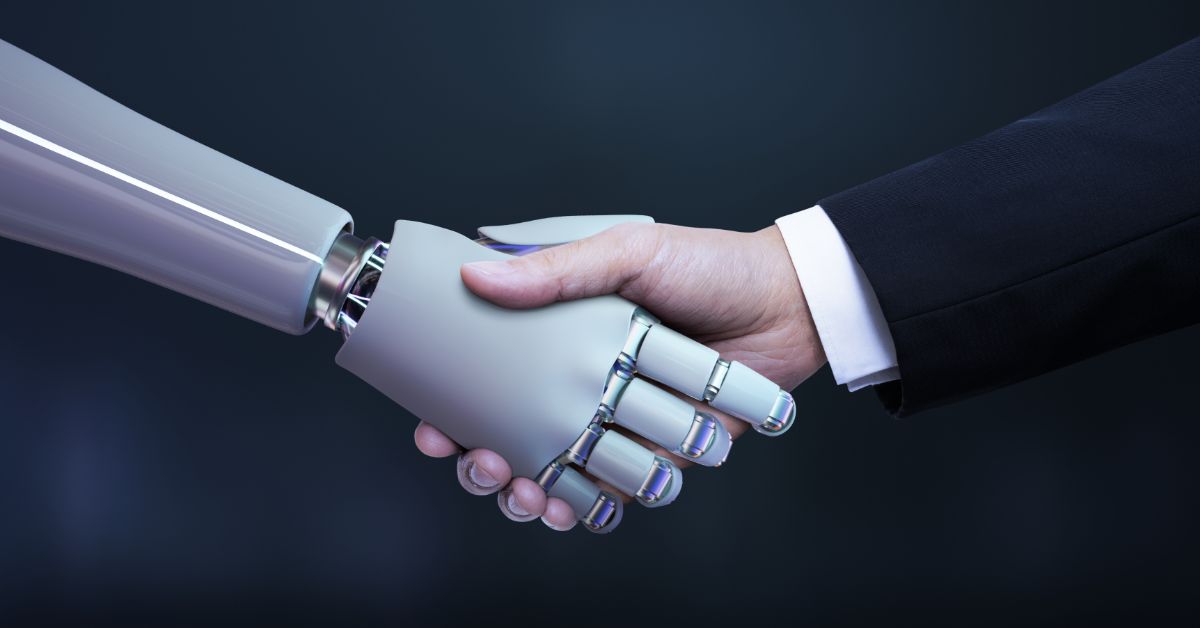
In today’s world, Artificial Intelligence (AI) is one of the key trends in the IT industry, developing at an incredible pace and having a tremendous impact on digital transformation. AI has the potential to automate routine tasks, streamline business processes, analyze vast amounts of data, and create innovative solutions. One of the areas it has affected is the job market in the IT industry. In this article, we will examine how artificial intelligence is influencing the job market and what changes we can anticipate in the coming years.
Artificial Intelligence, which deals with creating systems capable of performing tasks that require human intelligence, has the potential to change the IT job market. Currently, we can already observe certain changes resulting from the integration of AI into various fields of computer science. For example, in the area of data analysis, AI systems can perform more precise and effective analyses, leading to increased efficiency in business processes. As a result, companies require fewer individuals to perform traditional data analysis tasks. Simultaneously, new areas for managing and utilizing these new technologies are emerging.
One of the most visible impacts of AI on the IT job market is automation. Thanks to the advancement of AI algorithms, many routine and repetitive tasks can be performed by machines instead of humans. For instance, automatic software testing, which previously relied on the involvement of testers, can now be carried out using artificial intelligence.
This automation can bring many benefits, such as reducing the time needed for testing, eliminating human errors, and increasing the precision of results. However, it’s worth noting that the impact of automation on the IT job market is ambiguous. On one hand, it contributes to the efficient use of resources, which can lead to financial savings for companies. On the other hand, it may have a negative impact on the number of available job opportunities for humans. Although automation is a significant aspect of AI development, it is essential to emphasize that this technology also opens up new possibilities and creates new types of positions. For example, the development and management of AI systems, advanced algorithm development, or AI-based solution creation offer new employment prospects for IT industry specialists.
Furthermore, AI opens up new opportunities for creating innovative products and services. An example of this is the development of chatbots and virtual assistants that can handle queries and provide responses in a nearly natural manner. As a result, there is a decrease in the need to hire individuals for customer service or technical support tasks, as many of these tasks can be entrusted to intelligent AI-based systems.
On the other hand, the development of AI also requires specialists in the fields of designing, implementing, and managing these advanced systems. Creating effective and efficient AI-based solutions demands experts with skills in machine learning, natural language processing, or image recognition. This, in turn, creates new employment opportunities for individuals with the appropriate qualifications and abilities.
For example, the development of chatbots and virtual assistants generates a demand for programmers who specialize in implementing and configuring these systems, as well as data analysts responsible for analyzing information gathered by AI. The growing popularity of innovative AI-based products also creates a need for AI ethics and data security experts, who can ensure appropriate standards and privacy protection.
Artificial Intelligence has the potential to change the occupational structure in the IT industry. Some traditional roles may be replaced by machines, but at the same time, new demands arise concerning the creation, development, and maintenance of AI systems. IT industry employees must be flexible and prepared to continuously improve their skills. Technological changes require them to adapt constantly to new tools, platforms, and AI-related techniques. Staying up-to-date with the latest trends and evolving technologies is crucial to effectively harness the potential of AI.
Artificial Intelligence has a significant impact on the IT job market. Automation, the development of new technologies, and changes in the occupational structure are just some of the challenges and opportunities that this revolution brings. To remain competitive in the job market, IT industry workers will need to invest in developing their skills and be adaptable to changing requirements. AI presents not only challenges but also opportunities for creating new and innovative solutions that will shape the future of the IT industry.
